Hyper-Personalized Cold Email Generation: A Case Study Breakdown
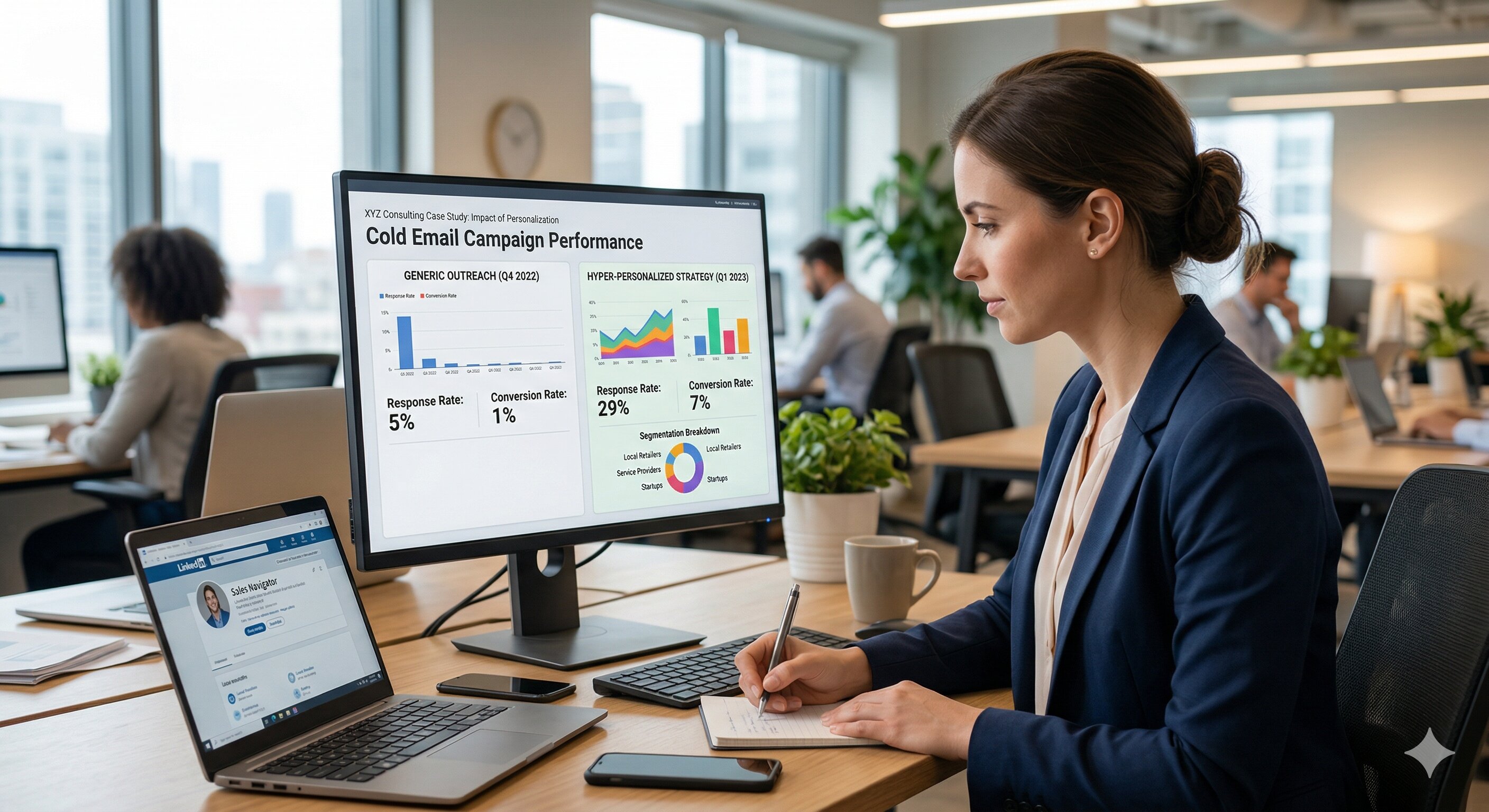
This case study delves into hyper-personalized cold email strategies that increased response rates by over 50% for a local consulting firm. Discover actionable frameworks and tactics to optimize your outreach.
Introduction: The Need for Hyper-Personalization
In the competitive landscape of B2B services, traditional cold outreach strategies often fall flat. Many growth agencies and local businesses recognize the importance of personalization but struggle to implement it effectively. This case study examines how a local consulting firm successfully adopted hyper-personalized cold email strategies, resulting in a significant uptick in engagement and conversion rates.
The Firm's Background
XYZ Consulting, a small firm specializing in digital marketing for local businesses, faced declining response rates from their cold outreach campaigns. With an average response rate of 5%, they needed a fresh approach. In Q1 2023, they set specific goals to enhance their cold emailing efforts, aiming for a minimum 20% increase in responses.
Key Challenges Identified
- Generic messaging leading to low engagement.
- Lack of targeted audience segmentation.
- Poor tracking of email performance metrics.
Framework for Hyper-Personalized Cold Emailing
To overhaul their approach, XYZ Consulting employed the following framework:
1. Data Collection and Analysis
Understanding the target audience's pain points and preferences was crucial. They utilized tools like ZoomInfo and LinkedIn Sales Navigator to gather data on potential clients.
2. Segmenting the Audience
Instead of a one-size-fits-all approach, they segmented their audience into three distinct categories:
- Local Retailers: Focused on increasing foot traffic.
- Service Providers: Required online visibility improvements.
- Startups: Needed tailored marketing strategies.
3. Crafting Tailored Messages
Each segment received uniquely crafted messages. For example, an email to a local retailer highlighted successful case studies from similar businesses, embedding direct references to their specific needs.
Results of Implementation
After three months of implementing the hyper-personalized cold emailing strategy, XYZ Consulting reported remarkable improvements:
| Metric | Before | After |
|---|---|---|
| Response Rate | 5% | 29% |
| Conversion Rate | 1% | 7% |
| Leads Generated | 10 | 60 |
Key Takeaways from the Data
Hyper-personalization not only increased response rates but also enhanced the firm’s reputation in the market. Prospective clients appreciated the tailored approach, leading to higher conversion rates.
Best Practices for Hyper-Personalized Cold Emailing
For agencies and local businesses looking to adopt similar strategies, consider the following best practices:
- Research Thoroughly: Utilize data analytics tools to understand your prospects better.
- Focus on Relevance: Ensure your emails address specific needs relevant to your audience segment.
- Test and Optimize: Use A/B testing to refine subject lines and call-to-action phrases.
- Follow Up Strategically: Implement a sequence of follow-up emails that build on the initial personalized outreach.
Conclusion: Moving Forward with Hyper-Personalization
The success experienced by XYZ Consulting illustrates the power of hyper-personalized cold email strategies. As B2B landscape continues to evolve, agencies must prioritize understanding their audience's unique needs, leveraging data for segmentation, and crafting tailored messages that resonate.
FAQ
What tools can I use for data collection?
Tools like ZoomInfo, LinkedIn Sales Navigator, and Hunter.io are excellent for gathering detailed information on potential leads.
How can I measure the success of my cold email campaigns?
Track metrics such as open rates, response rates, and conversion rates to gauge effectiveness. Consider using tools like Mailchimp or HubSpot for analytics.
Is hyper-personalization expensive to implement?
While it requires an investment in tools and time, the ROI from increased engagement and conversion often justifies the expense.
How frequently should I follow up after an initial email?
A common practice is to send a follow-up email 3-5 days after the initial outreach, depending on the response. Adjust the frequency based on engagement levels.